
Is Your Car Squealing? What Your Brakes Are Trying to Tell You Before the Repair Gets Costly
We have all been there. You’re pulling into a crowded parking lot at the Arden Fair Mall or slowing down for a red light on Watt Avenue, and your car lets out a high-pitched, ear-piercing squeal. It’s embarrassing, sure, but more importantly, it is your car’s way of tapping you on the shoulder and saying, “Hey, we need to talk.”
Ignoring brake noise is one of the most common mistakes drivers make. While some sounds are harmless, most are early warning signs of wear. Catching these issues early is the difference between a simple pad replacement and a massive bill for new rotors, calipers, and hardware. At BMP Auto Service, we believe in transparent auto repair in Sacramento that keeps you safe without breaking the bank.
The Anatomy of a Squeak: Why Brakes Make Noise
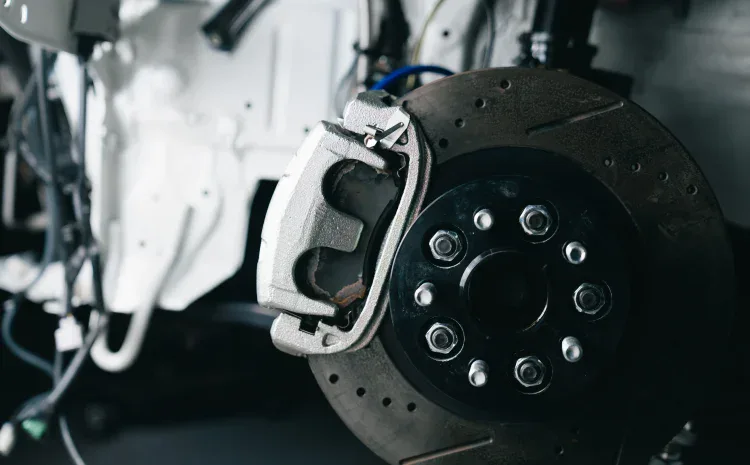
Most modern brake pads are designed with a built-in “acoustic wear indicator.” This is a small metal tab that becomes exposed as the friction material wears down. When the pad gets dangerously thin, this tab touches the rotor and creates that signature squealing sound. It is literally designed to be annoying so that you’ll take action.
However, not all noises are caused by wear. In our humid Sacramento winters or after a car wash, a thin layer of surface rust can form on the rotors, causing a temporary grinding sound that disappears after a few stops. But when the noise is consistent, it is time for a professional look.
Common Brake Sounds and What They Mean
Understanding the “language” of your brakes can help you describe the problem to your technician. Here is what we usually hear from our customers:
1. The High-Pitched Squeal
As mentioned, this is usually the wear indicator. If the squeal happens while you are driving but goes away when you press the pedal, your pads are likely very low. If it happens only when you press the brake, it could be high-frequency vibration caused by poor-quality pads or a lack of anti-squeal lubricant.
2. The Deep Metal Grinding
If your brakes sound like two pieces of iron rubbing together, stop driving immediately. This “metal-on-metal” sound means the friction material is completely gone. At this point, the metal backing plate of the pad is digging into the brake rotor. This not only destroys the rotor but significantly increases your stopping distance.
3. The “Thump” or Vibration
If you feel a pulsing in the brake pedal or a rhythmic thumping sound when slowing down from highway speeds on I-5, you likely have “warped” rotors. This happens when the rotors develop uneven thickness or heat spots, causing the pads to bounce off the surface rather than grip it smoothly.

The Sacramento Stop-and-Go Factor
Sacramento traffic is notorious for being hard on brakes. Whether you are commuting from Elk Grove or navigating the grid downtown, the constant “inch-and-brake” cycle generates a tremendous amount of heat. Heat is the number one enemy of brake life. Overheated pads can “glaze,” becoming hard and smooth, which leads to reduced stopping power and: you guessed it: more noise.
Because we specialize in mercedes service in Sacramento and bmw repair in Sacramento, we know that European braking systems are designed for high performance. They use softer pad compounds for better “bite,” which means they tend to wear faster and produce more dust than domestic cars.
Why Quality Matters: The BMP Advantage
When you come to us for brake repair in Sacramento, we don’t just throw on the cheapest pads we can find. We use genuine OEM or high-quality equivalent parts. Cheap aftermarket pads often lack the proper shims and slots required to keep the brakes quiet and dissipate heat effectively.
We stand behind our brake work with our signature 24-month/24,000-mile warranty. We ensure that every surface is cleaned, every slide pin is lubricated, and every bolt is torqued to factory specifications. This attention to detail is why our customers trust us with their family’s safety.
When Should You Get Your Brakes Checked?
You don’t have to wait for a noise to be proactive. We recommend a brake inspection every time you get an oil change or tire rotation. Our ASE-certified technicians will measure your pad thickness and check the condition of your brake fluid. Brake fluid is “hygroscopic,” meaning it absorbs moisture over time. In the heat of a Sacramento summer, old, moisture-heavy fluid can actually boil, leading to a “spongy” pedal and potential brake failure.
Stop the Squeal Before It Starts
Your brakes are the most important safety feature on your vehicle. A squeal today could be a failure tomorrow. By addressing noises early, you save money by preserving your rotors and ensure that your car is ready for whatever the road throws at it.
If your car is trying to tell you something, we are here to listen. We provide dealership-quality service with the honest, neighborly touch of a family-owned shop. Don’t let a small squeak turn into a big headache.
Hear something unusual? Schedule your brake inspection at BMP Auto Service today. We’ll get you back on the road safely and quietly.